

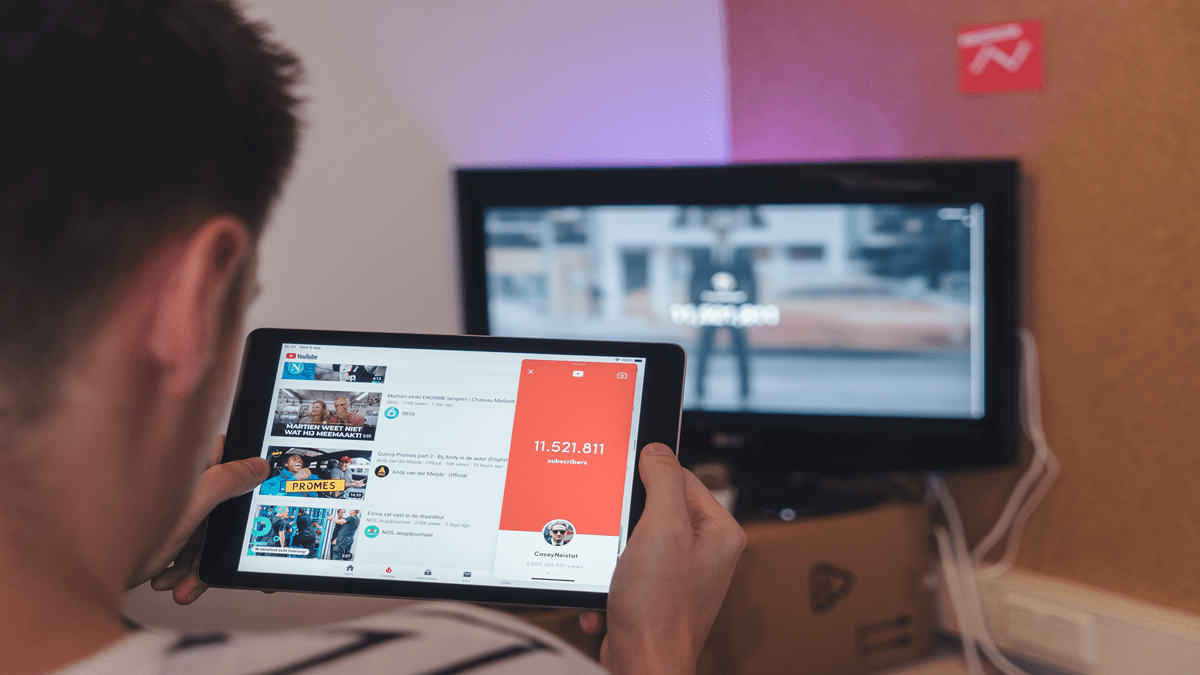

YouTube content creators have struggled a lot with copyrighted content if it requires pulling down the entire video or re-editing a video. Recently YouTube launched a new copyright tool as its latest studio updates named Assisted Trim. That can remove a copyrighted segment of a video and automatically highlights the effected portion by copyright claim. We develop a few YouTube Copyrights and rights management techniques that every content creator must know in 2020.
YouTube Copyrights and rights management
YouTube Copyright: Artificial Intelligence or Machine Learning can find YouTube copyright infringements
YouTube Copyright: Take Permission from Owners
YouTube Copyright: Do not record Concerts and shows
YouTube Copyright: Include Royalty-Free Music in your videos
YouTube Copyright: Make sure to learn Copyright claim basics
YouTube Copyright: Always proofread Detailed claim issues
YouTube Copyright: Have an idea on YouTube Copyright School
YouTube Copyright: Check your YouTube Copyright Canter and law
YouTube Copyright: Do not modify or copy content from Originals
YouTube Copyright: Attribution is a must
YouTube Copyright: Check the consequences
YouTube Copyright: Don’t copy the CD, DVD, TV commercials and programs
YouTube Copyright: Ask owner permission for using other copyrighted content that may be audio or video
YouTube Copyright: Submit the claims and retract for progress
YouTube Copyright: Never Use the Harmful Content
YouTube Copyright: Upload your own Original Video/Audio
YouTube Copyright: Include Copyright management tools
YouTube Copyright: Track the persons who own the copyright
YouTube Copyright: Do not Violate copyrights policies
YouTube Copyright: Use the videos which come under Creative Commons license
YouTube Copyright: Respect owner’s copyrights
YouTube Copyright: Make your own videos
How to stay on the right side of YouTube copyrights
- Don’t make a lot of covers
- Use free stock audio wherever possible
- Make your covers creative and entertaining
- Make all your own cover art if possible
A quick overview of YouTube copyrights
- Do you have to license music for videos?
- Can I use image or video that I found online?
- What about if the blog or site says it’s free to use?
- What about images in the public domain?
- Are there exceptions for parody and fair use?
Don’t fall foul of YouTube copyrights law
- What is fair use?
- Make your video thumbnail personal
- Use a click-to-tweet blog post
Don’t get sued for stealing content
- If you’re making money with YouTube, have a DMCA policy.
- Have a fair use clause in your copyright policy
- Make sure creators understand what is and what is not fair use
- Make it easy for creatives to claim their media (you should do this)
- You will probably need help from legal experts (keep reading)
Have you ever had your YouTube content taken down for copyright?
- You don’t have a high interactivity rate
- Your music isn’t unique or well-curated
- You keep using the same cover song by the same artist
- You aren’t reacting to feedback from other artists
- You are not collaborating with other top artists on your channel
Content creators, YouTubers can now use any song
- All you need is a hyperlink to the song you’re using
- No more getting blocked by content ID
- This will double views and ad revenue
Don’t be caught out by YouTube’s Copyright rules
- Make your own covers, don’t use the original track (and with permission)
- Don’t lip sync, just sing along
- Use composer-friendly music libraries instead of CD’s
- Get licensing agreements from performers/writers for reference-only videos
You might be breaking YouTube’s copyright rules without even knowing it
- There are tons of misconceptions out there…
- If you use a copyrighted song, image or video on your channel…
- You could get a copyright strike…or worse
- Learn how to avoid copyright strikes and get more views with legal background music
If you’re using music or videos on YouTube, Hangouts or on an Instagram story you need to be careful. If your video is flagged for any type of copyright infringement you’ll receive a strike.
- Know what types of content are copyrighted
- Understand the difference between Fair use and Fair dealing
- Google Alerts can help keep you updated on new laws or DMCA policy changes
- Be careful not to overstep the fair dealing guidelines in Canada and the
If you use soundtracks on your videos and you’re making money off them, you could get copyright strikes
- Check the music you use on your video is free to use on YouTube
- Pick the right type of license for the music you want to use
- Don’t just automatically pick the first song that comes up
- It’s easy to add a soundtrack to any part of your video
- Pay attention to the length of your video
YouTube Video Copyrights and Rights management
- Licensing and Royalty Free Music for YouTube
- Audio and Video
- Never Use Another Testimonial
- Understanding the Copyright System
- Who owns the copyright for the Content you upload
- Good Samaritan Policy for YouTube Copyright
- Image notices and third party claims
- Select video feature and choose ownership type
- Add your content as the single owner claiming all content as your own
- The most important step is you should mark your video with proper copyright information
If YouTube rejects video, it’s probably because of copyright. Here’s how you can fix it.
- Copyright strikes
- Copyrights that are automatically detected on your behalf
- Audible copyright notice
- Badass songs in your video ?!?!? Don’t use those!
- Copyright Music
YouTube is cracking down on copyrights
- Make a clear disclaimer on your YouTube videos
- Subscribe to other people in the same niche
- Tag, the person in your video
- Show them love and call them out for being funny
You can’t use copyrighted material on YouTube
- YouTube logo, YouTube rips, and other Re-Uploads are copyright material
- Licensing covers all royalty payments for you
- Get a turnaround time of fewer than ten days
- Get the song rights to create a better video experience
How to protect against getting your YouTube videos deleted
- Check all the songs in your video for any copyrighted material
- Ask permission if you do use copyrighted material
- Create original content. Don’t use clips of other people’s videos.
- Only monetize with ads from ‘whitelisted’ companies
- Hang out with other creators and don’t post about copyrighted content
You might get a copyright strike on YouTube. What are they, and what can you do?
- Content ID alerts are a real thing. Check your channel frequently for them
- Copyrighting isn’t illegal (even if it feels like it is)
- Don’t Ask Your Audience to Sub to Help Your Channel’s Growth
- Did I mention that asking for subscribers is not legal? Don’t do it
Copyright strikes on YouTube are the new norm. Here’s what to do if this happens to you
- It’s usually a glitch, don’t delete the video
- Disavow links and tags related to your video
- Wait patiently. It should lift its automated strike
The truth about copyright claims
- Brands are going to use the same strategy on YouTube that big companies use on TV
- You aren’t allowed to upload any copyrighted video until you pay a fee
- Growing your channel is single-handedly based on getting rid of copyright strikes
This is why YouTube won’t show your video
- It sounds like someone else’s music
- It has a copyrighted song in it/you don’t have the rights to use it
- It uses copyrighted pictures/footage
- The thumbnail or video content is copied, e.g., you’ve used other people’s images/videos
What to do if your video gets a copyright claim
- Don’t panic; you’ve got 7 days to fix it before your channel goes down.
- Always reference and acknowledge the creator/copyright owner in your video.
- Only use music and footage that’s either free to use or owned by the company you work for.
- Use the audio ID system to spot copyrighted music easily.
Are you infringing on other people’s video content?
- You need to give credit for videos
- You need to link to the original source
Your video is at risk of getting copyright strikes
- Uncomfortable music in your video
- Playing something that was never yours
- Misrepresenting someone’s work as your own.
- Linking to pirated content
- Misleading thumbnail
YouTube will no longer auto-turn music off
- There will be a 5-second song clip on controversial videos
- This is because of the Fair use law
- Videos without this are at risk of being copyrighted.
- If you have the soundtrack, add it now
- You need to keep formatting consistent, including the length of each movie you upload
You need to know all about the YouTube Content ID
- Copyright is automatic. You don’t need to take any action
- ContentID is run by your video hosting company (e.g., YouTube, Discord, or Instagram)
- ContentID makes money for people who own the copyright of the content in your video.
- Check the grey box for videos that might have been affected by a copyright claim
- If you find something, dispute it with YouTube
YouTube can shut down your account for copyright issues
- They only allow 15-30 seconds to take advantage of a thumbnail
- They don’t like to show up on the first page of search engines
- If you want to upload a video from a digital camcorder, you must save your file at 60 fps and put a watermark on the screen.,
- Beware of duplicate content with your podcast and YouTube videos.
YouTube is shutting down channels all the time because of music copyrights
- If you have a popular YouTube channel based on music, copyright, or other problems
- Don’t use copyrighted material – ever
- Use relevant thumbnails that will appeal to search engine and attract people to your videos
- Use good call-to-action in the description box
YouTube will remove your video if you don’t have permission to use the song!
- Check out this video that covers all the questions regarding using music in videos
- Request a license to use music in YouTube videos
- Avoid getting sued for copyright infringement
- Avoid getting your video removed
- Use editing software for videos
How to avoid YouTube copyright takedowns
- Use a watermark
- You don’t have a right to monetize an unlicensed song
- Humorous videos are at risk of takedown
- Monitor your analytics for spam accounts
- Don’t tag the artist
- There is no guarantee it will work forever.
YouTube Copyrights Best Practices
When you post a video to YouTube, we own the copyright to that video. That means you have the right to decide who can watch it, how it’s used, and whether or not people can make money off it.
You can give others some or all of those rights through a copyright license. For example, you could give someone the right to monetize your video on YouTube. Or you could give someone the right to use your video in their creative work.
Copyright licenses are a great way to control how other people use your video. But before you give someone a copyright license, you should keep a few things in mind. We’ll review some best practices for giving out copyright licenses on YouTube.
What is Copyright?
Copyright is a legal protection that gives creators the exclusive right to control how their work is used and distributed. Only the copyright holder can decide where and how their work is shared. People who use your copyrighted material without your permission infringe on your rights.
Certain types of content cannot be copyrighted, such as ideas, titles, and names. However, almost all other types of content are eligible for copyright protection as soon as they are created and fixed in a tangible form (like a video or audio recording). This includes things like scripts, dialogue, music, and footage.
It’s essential to note that we don’t have to register your work with the government to receive copyright protection. Your job is automatically protected as soon as it is created. However, writing your work does have some benefits.
For example, it allows you to file a lawsuit if someone infringes on your rights. Additionally, registering your work will enable you to collect statutory damages if you win your case (more on later).
What is fair use?
One common misconception about copyright law is that it only applies to large corporations or significant businesses. This isn’t true! Copyright law applies to everyone, including individuals and small businesses.
However, an exception to this rule is called “fair use.” It is a legal doctrine that allows people to use copyrighted material without permission under certain circumstances. It’s important to note that fair use is decided on a case-by-case basis, so there’s no hard-and-fast rule about what does or does not constitute fair use.
Courts will typically consider four factors when determining whether or not something is fair use:
- The purpose and character of the use
- The nature of the copyrighted work
- The amount of copyrighted work used
- The effect on the use of the market for the copyrighted work
No single factor determines whether or not something is of fair use; instead, courts will look at all four factors together to make a decision.
YouTube Copyright basics
The first thing to understand about YouTube and copyright is that YouTube is not responsible for the copyright infringement of its users. That responsibility lies with the user who uploaded the infringing material. However, if a user repeatedly uploads infringing material, YouTube may take action against that user, including terminating their account.
To help prevent infringement, YouTube provides a tool called Content ID. Content ID allows copyright holders to submit their copyrighted material to YouTube so that it can be scanned for matches against other user-uploaded content.
If a game is found, the copyright holder can choose to have the video taken down, monetized through ads, or left alone.
How to avoid Cpyright Infringement on YouTube
To avoid infringing on someone else’s copyright, you can either get permission from the copyright holder or make sure that your video qualifies as fair use. It is a legal doctrine that allows limited use of copyrighted material without getting permission from the rights holder.
Factors that are considered when determining whether or not something is fair use include:
- The purpose and character of the service.
- The nature of the copyrighted work.
- The amount and substantiality of the portion used about the copyrighted work.
- The effect of the use on the potential market for or value of the copyrighted work.
Types of materials You can Copyright
Four types of materials can be copyrighted: literary works, musical works, dramatic works, pantomimes, and choreographic works.
Literary works
A literary work is any work that is written, such as a book, article, or blog post.
Musical works
A musical work is any work set to music, such as a song or piece of instrumental music.
Dramatic works
A dramatic work is any work intended to be performed before an audience, such as a play or script.
Pantomimes and choreographic works
A mime is a performance that involves gesture and body movement but no spoken dialogue. A choreographic work is a series of dance steps or activities combined to form a cohesive whole.
Types of Copyrights
You need to be aware of two types of copyrights when creating YouTube videos: performance rights and reproduction rights. Performance rights cover a copyrighted work’s life or recorded performance, including musical concerts, plays, and dance recitals.
Reproduction rights cover the copying and distribution of copyrighted work. This includes things like books, movies, and television shows.
When uploading a video to YouTube, you must have both performance and reproduction rights for any copyrighted material in your video. Otherwise, your video could be subject to removal.
Getting permission to use Copyrighted material
If you want to utilize copyright material in a YouTube video, you will need permission from the copyright holder. The best way is to send a request for permission in writing. Please include what material you want and how you plan to use it. Remember that the copyright holder may charge a fee for permitting you to use their material.
You can also try contacting the copyright holder directly. They will often be happy to permit you if you give them credit in your video description or end credits.
When using copyrighted material on YouTube, it’s essential to consider both the laws of copyright and YouTube’s policies. Copyright law generally gives the creator of a work the exclusive right to control how that work is used, reproduced, and distributed.
You may infringe on their rights if you use someone else’s copyrighted material without their permission. Additionally, YouTube has its guidelines regarding copyright and other legal issues. You can find more information about YouTube’s policies here.
One way to avoid copyright infringement is to use only royalty-free or Creative Commons-licensed materials in your videos. Royalty-free materials can be used without paying royalties or licensing fees, while Creative Commons-licensed materials are those that the copyright holder has released under a specific set of license terms.
You can find more information about finding royalty-free and Creative Commons-licensed material here.
Another way to avoid copyright infringement is to obtain permission from the copyright holder to use their material in your video. It is usually done through a process called “licensing.” Licensing agreements vary depending on the type of copyrighted material you want to use.
Still, they typically involve paying a fee to the copyright holder in exchange for their permission to use their work. You can find more information about obtaining licenses for copyrighted material here.
- Only use copyrighted material that you have the rights to use. This means that you own the copyright yourself or have obtained permission from the copyright holder to use the material.
- Don’t use more of the copyrighted work than is necessary. For example, if you’re using a song in your video, only use a small portion of the music rather than the entire thing.
- Make sure that your use of the copyrighted material is considered fair use under U.S. copyright law. Fair use is a defense to copyright infringement that allows for the limited use of copyrighted material without permission from the copyright holder. Whether or not to use is considered fair depends on several factors, including the purpose and character of the use, the nature of the copyrighted work, and the amount and substantiality of the portion used.
YouTube copyrights best practices
As the owner of a copyright work, you have the exclusive right to control how that work is used. You can give others some or all of those rights through a copyright license.
For example, you could give someone the right to monetize your video on YouTube. Or you could give someone the right to use your video in their creative work. Copyright licenses are a great way to control how other people use your video.
But before you give someone a copyright license, there are a few things you should keep in mind:
- Make sure you understand what rights you’re licensing
- Choose who you want to license your rights to carefully
- Consider using a standard form of contract
- Keep track of who has licensed your rights and what they’ve licensed
- Make sure you comply with any terms of the license agreement
- Read YouTube’s copyright policy.
- Understand what content is protected by copyright.
- Get permission from the copyright holder before using copyrighted material.
- Use only a small amount of copyrighted material.
- Use only material that is not subject to copyright protection.
- Do not use copyrighted material in a way that violates the terms of use for YouTube.
- Do not upload videos containing copyrighted material without the copyright holder’s permission.
- If you are unsure whether something is copyrighted, do not use it.
- Do not falsely claim that you are the copyright holder of someone else’s work.
- Do not use misleading or false information in the video’s description, tags, or title to avoid copyright infringement claims.
- Respond promptly and appropriately if you receive a copyright infringement notification.
- Do not submit a counter-notification unless you are confident that your video does not infringe on someone else’s copyright.
- If you receive a copyright strike, take it seriously and take steps to avoid receiving another one.
- Three strikes will result in your account being permanently suspended from YouTube
- Only use the content you have created yourself or in the public domain.
- If you want to use someone else’s content, make sure you have their permission.
- If you’re unsure whether the content is copyrighted or not, err on the side of caution and don’t use it.
- When in doubt, consult a lawyer.
- You can’t copyright an idea, only an expression of that idea.
- Copyright protection starts as soon as the work is created, even if it’s not published.
- You don’t need to register your work with the copyright office to get copyright protection.
- Copyright protection lasts for the life of the author plus 70 years.
- After the copyright expires, the work enters the public domain and can be used by anyone without permission from the copyright holder.
- Just because something is public domain, that doesn’t mean you can do whatever you want with it – there may still be other restrictions on how it can be used.
- Know the basics of copyright law
- Understand YouTube’s copyright policy
- Use only original content or content with permission.
- Give credit to the source.
- Do not use copyrighted music.
- Do not use copyrighted images.
- Do not use copyrighted videos.
- Do not use copyrighted software.
- Do not use copyrighted fonts.
- Do not use copyrighted logos.
- Do not use copyrighted characters.
- Do not use copyrighted art.
- Do not use copyrighted trademarks.
- Do not use copyrighted names.
- Do not use copyrighted symbols.
- Do not use copyrighted designs.
- Do not use copyrighted materials.
- Know the basics of copyright law
- Understand what content is protected by copyright
- Get permission before using copyrighted material.
- Use only a small amount of copyrighted material.
- Transform the copyrighted material into something new
- Use only lawfully acquired copyrighted material.
- Don’t falsely claim that you created the work.
- Give credit to the copyright holder.
- Don’t use someone else’s work to make money.
- Keep good records
- Know when you don’t need permission
- Use Creative Commons-licensed works.
- Use public domain works.
- Understand YouTube’s policies on copyright
- Don’t upload copyrighted material to YouTube.
- If you receive a copyright strike, take it seriously.
- If your video is taken down for copyright infringement, appeal the decision if you believe it was made in error.
- When in doubt, err on the side of caution
- Seek professional help if you’re unsure about something
- Respect the intellectual property of others
- YouTube offers a variety of content that is protected by copyright. This includes music, movies, TV shows, video games, and more.
YouTube users are responsible for ensuring that they do not upload any copyrighted material without permission from the copyright holder. YouTube provides a tool that allows users to search for copyrighted material. This tool can be found in the “Copyright” section of YouTube’s help center.
If a user uploads a video that contains copyrighted material, they may receive a copyright strike from YouTube. A copyright strike will result in the user’s account being suspended.
If a user receives three copyright strikes, their account will be permanently suspended. Users can avoid receiving copyright strikes by only uploading videos they have created themselves or obtaining permission from the copyright holder to upload.
If a user receives a copyright strike, they can appeal the decision by following the instructions in YouTube’s help center. YouTube has a policy of terminating accounts that receive multiple copyright strikes.
Conclusion:
YouTube takes the copyright issues seriously takes down any YouTube video that infringes on the copyright. YouTube warns copyrighted created that changes could lead to more videos entirely block the channels. The above YouTube Video Copyrights and rights management can help to save your channel from stricks and grow your channel reputation.

2 comments